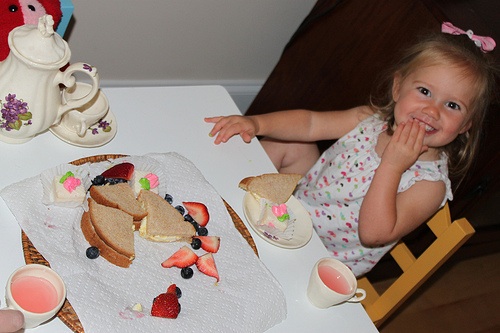
I really get irritated when people jump to conclusions about adopted children. Yesterday, I was asked if there might be a history with my adopted daughter or her family that drove her toward being violent. I was asked if she might have some kind of chemical imbalance. The violence they are talking about is biting. About two months ago Madilyn started to bite people. She has been doing it about once a week, which in the grand scheme of things is not really too bad. However, early this week she bit two people on the same day after going two weeks without biting anyone. Madilyn is two! As most parents know almost all two year old children go through a biting stage. Caleb was a far worse biter than Madilyn and no one ever told me they thought he was violent or had a chemical imbalance.
These questions irritated me because I know if Madilyn was my biological child no one would suggest that she has a chemical imbalance. If she were my biological child this would not be viewed as violent behavior, it would be viewed as typical two year old behavior. Scarily, the person asking the question is currently completing a doctoral degree in Early Childhood Education.
When I show pictures of my children to people I don’t announce that Madilyn is adopted. Friends and family know and on a rare occasion it will come up in conversation with acquaintances. The sad part is that when it comes up in conversations people will say, “She is beautiful, what’s wrong with her that made her parents want to give her away.” With adoption people assume that if the child is white and appears healthy there must be some other underlying health or mental issue that caused the biological parents to place the child for adoption. This assumption is not always true. I don’t want my daughter to grow up feeling like something is wrong with her because people make assumptions about her that are totally off base. Madilyn is beautiful, smart, healthy and has a biting problem that she will learn to control. People need to quit making negative assumptions adopted children.


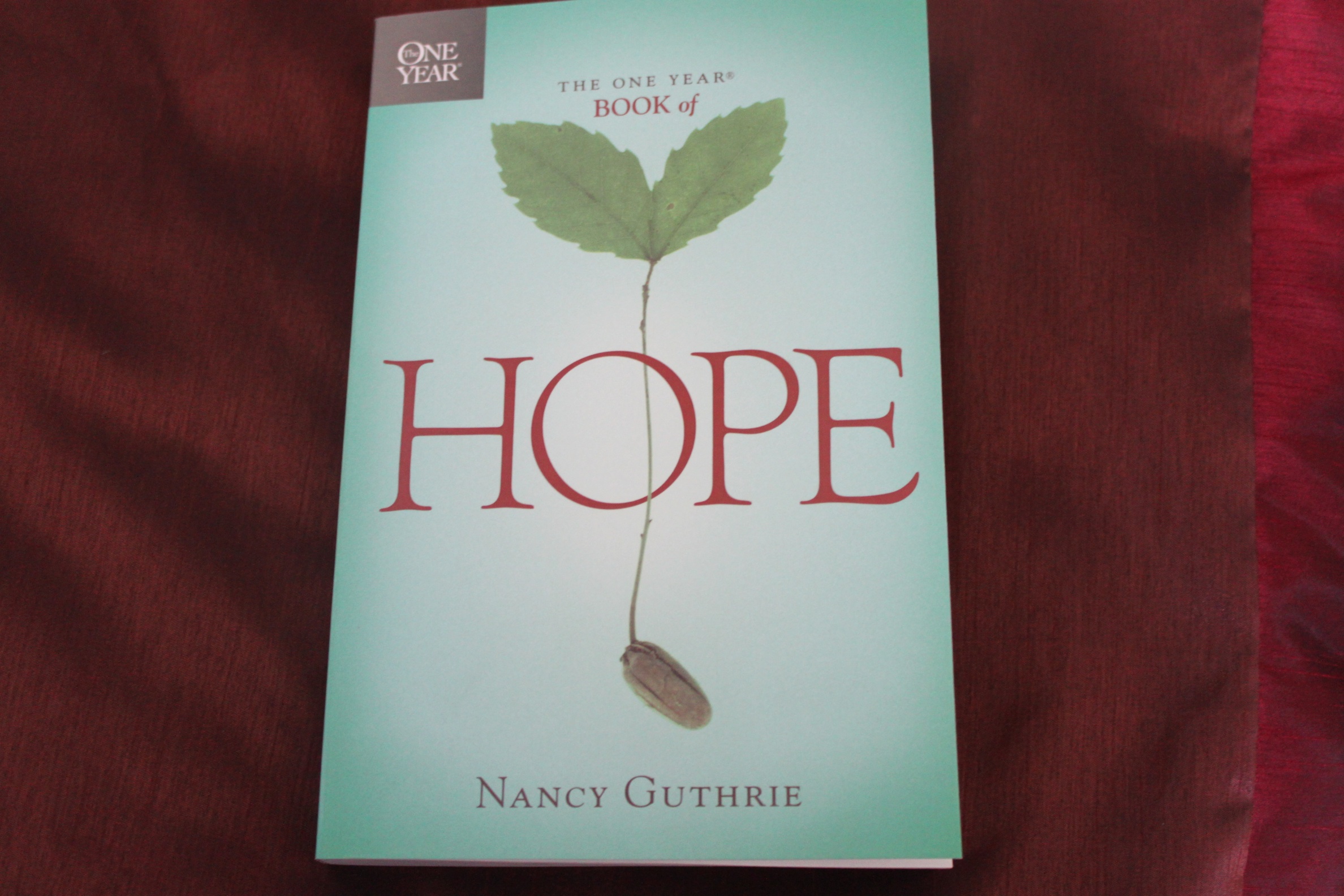
 As I mentioned a few weeks ago I started working through a devotional book called “The One Year Book of Hope” by Nancy Guthrie. I am just wrapping up week two of the study. I can already see a big difference in my personal and spiritual life. Having never really dealt with significant loss in my life I did not know how to process my emotions when I was hit in the face with the loss of my child. I found myself stuck in the same cycle of taking one step forward only to take several steps back. Finally I feel like I have finished grasping at straws and am making progress in emotional and spiritual healing.